Small. Distinctive.
Yep, that's my version of a "Barbie dream house."
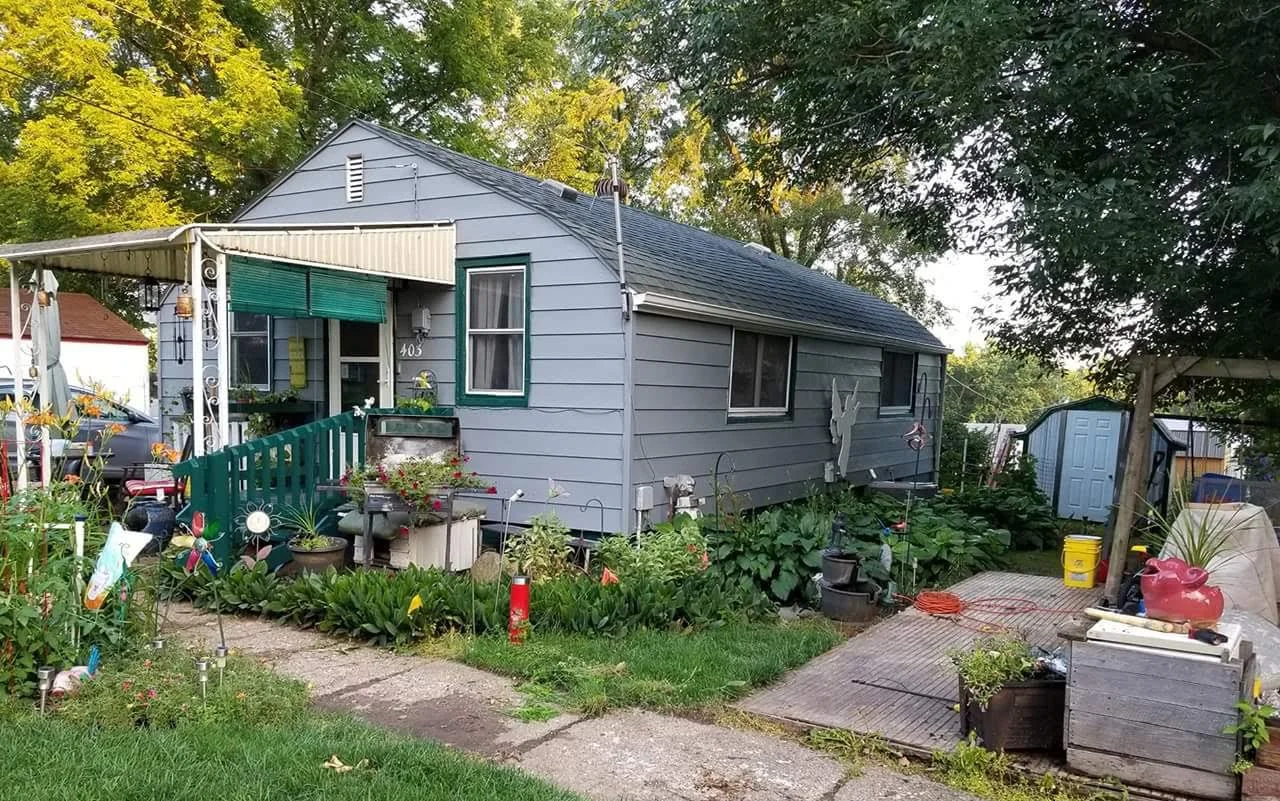
I'm obsessed.
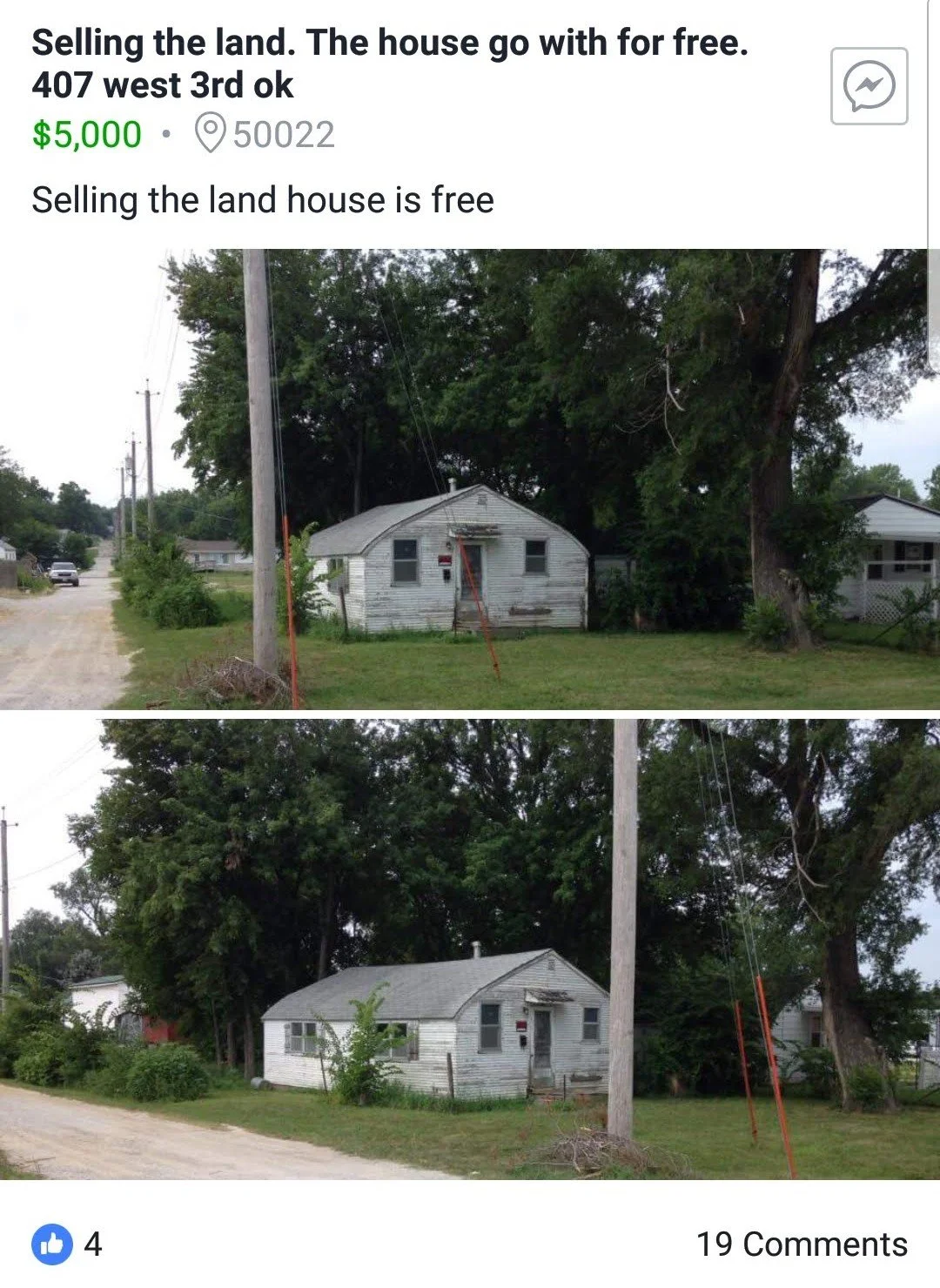
These are "chicken coop houses," as they're colloquially known where I come from, in rural Iowa, near the town where these little wonders were produced in the 1920s–1950s as part of one company's enterprising foray into the manufacturing and distribution of prefabricated buildings through a network of regional “Builder-Dealers.”
People who live near them know of them instantly. They're polka-dotted across the Midwest — and who knows how much farther. They were shipped all over the continent.
They've never been formally documented or studied.
Until now.
OVERLOOKED UNDERDOGS, NO MORE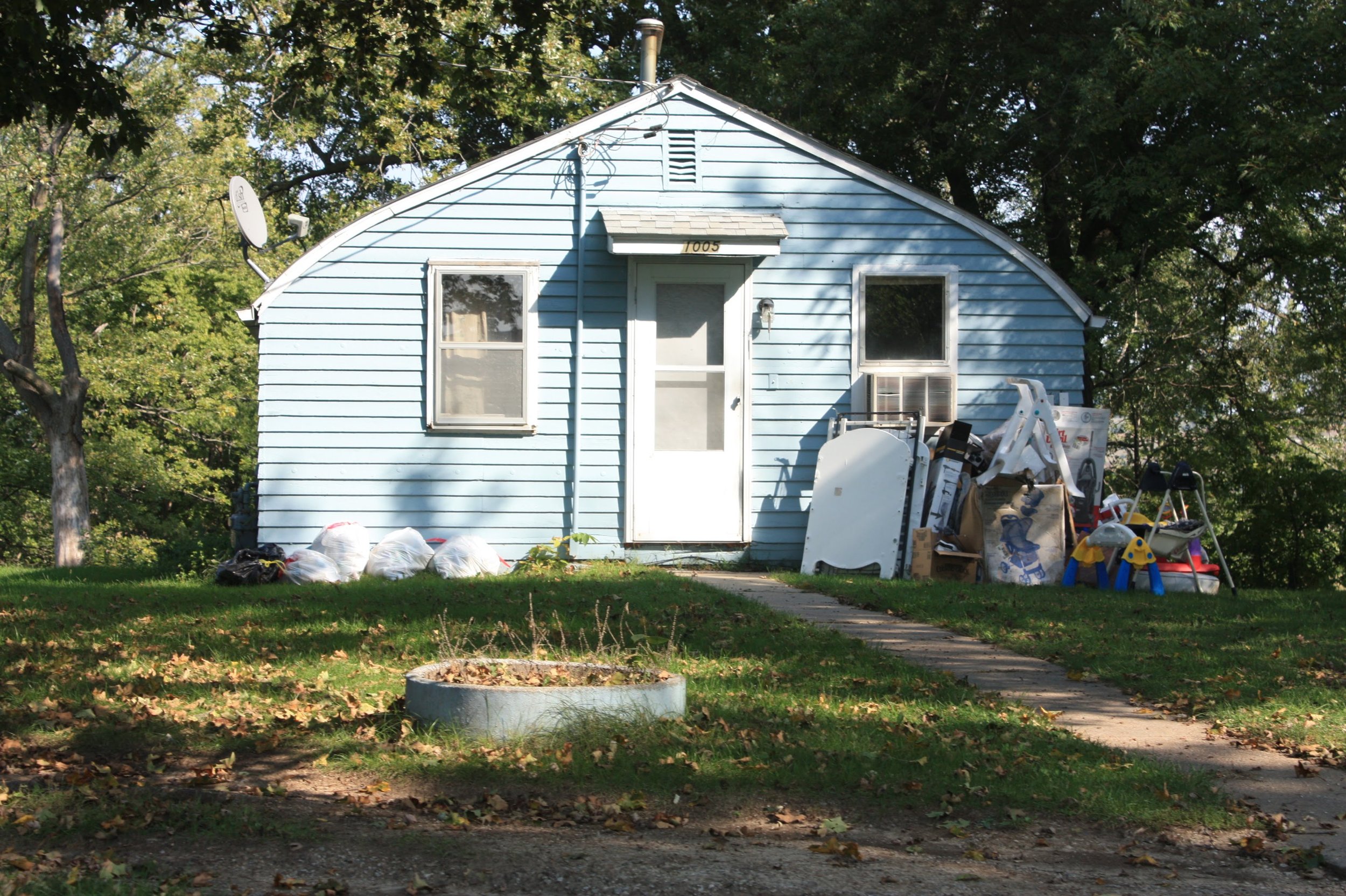
It’s time for these Kozy Homes to have their moment.
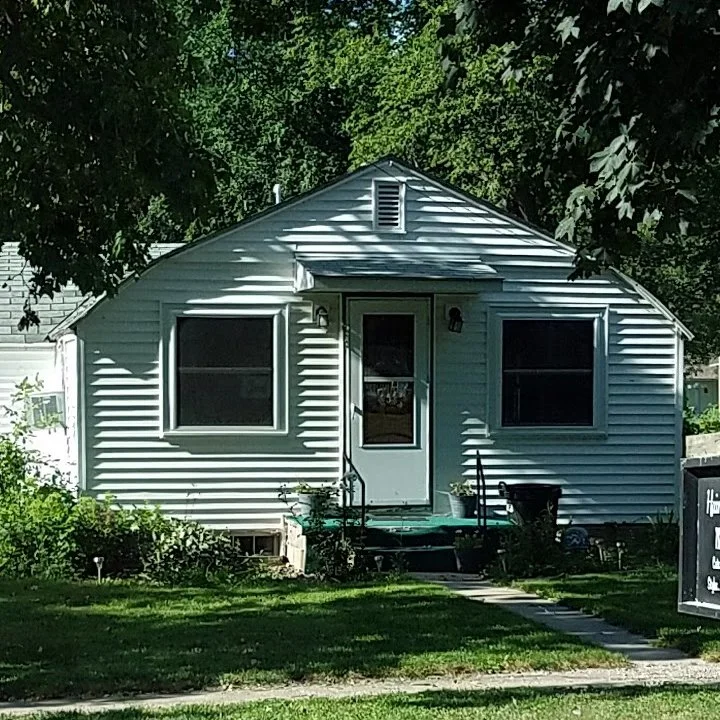
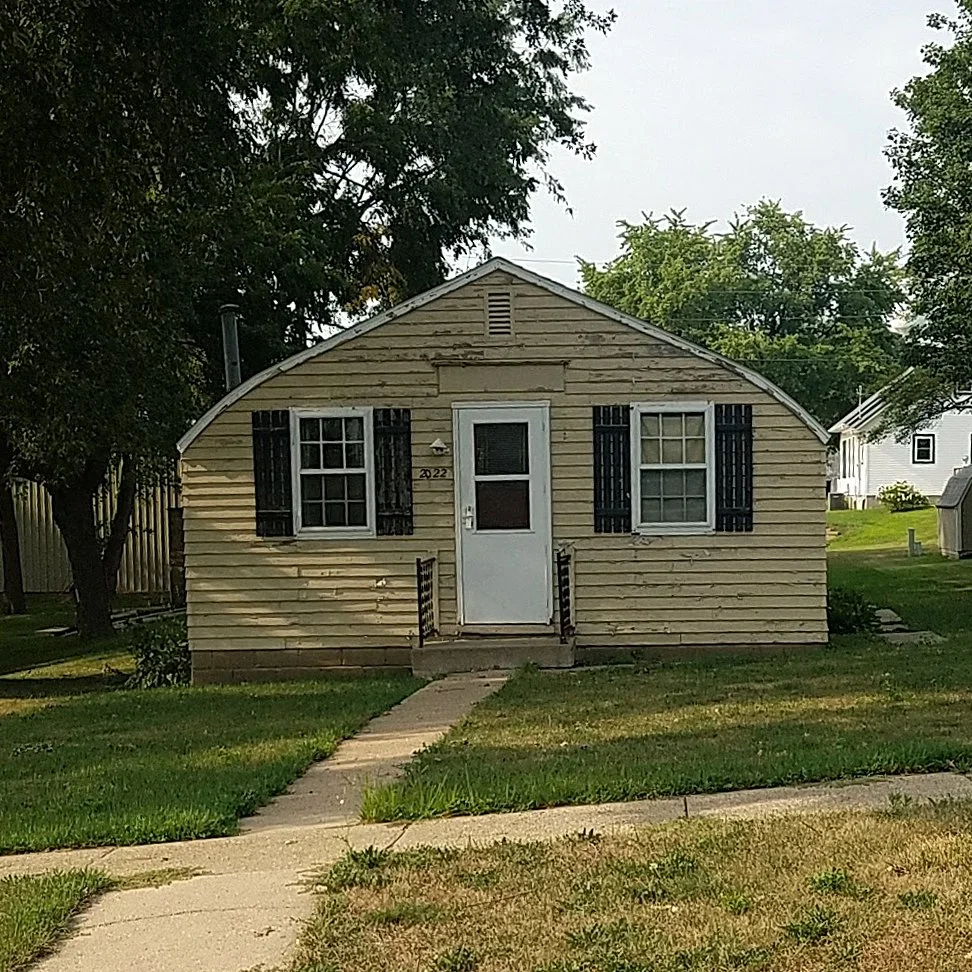
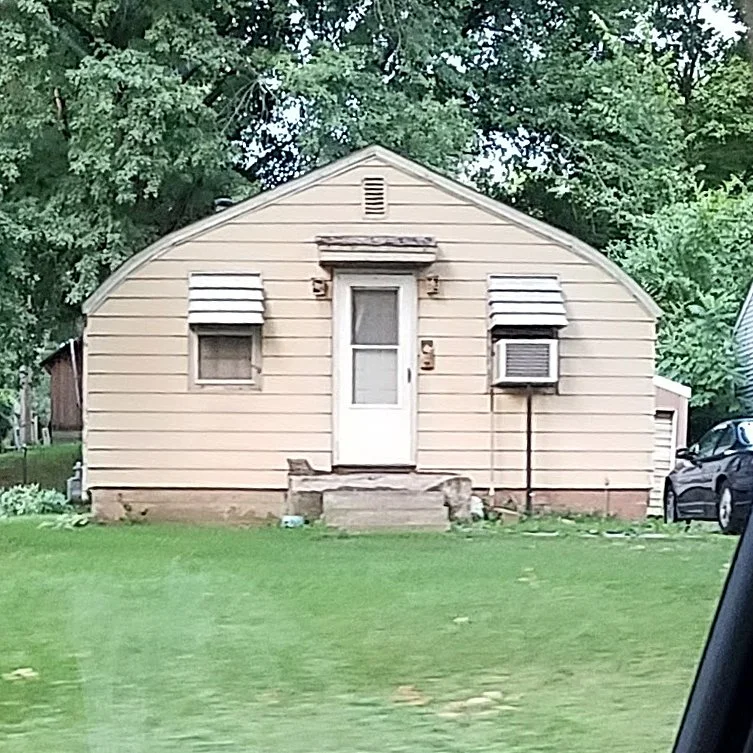
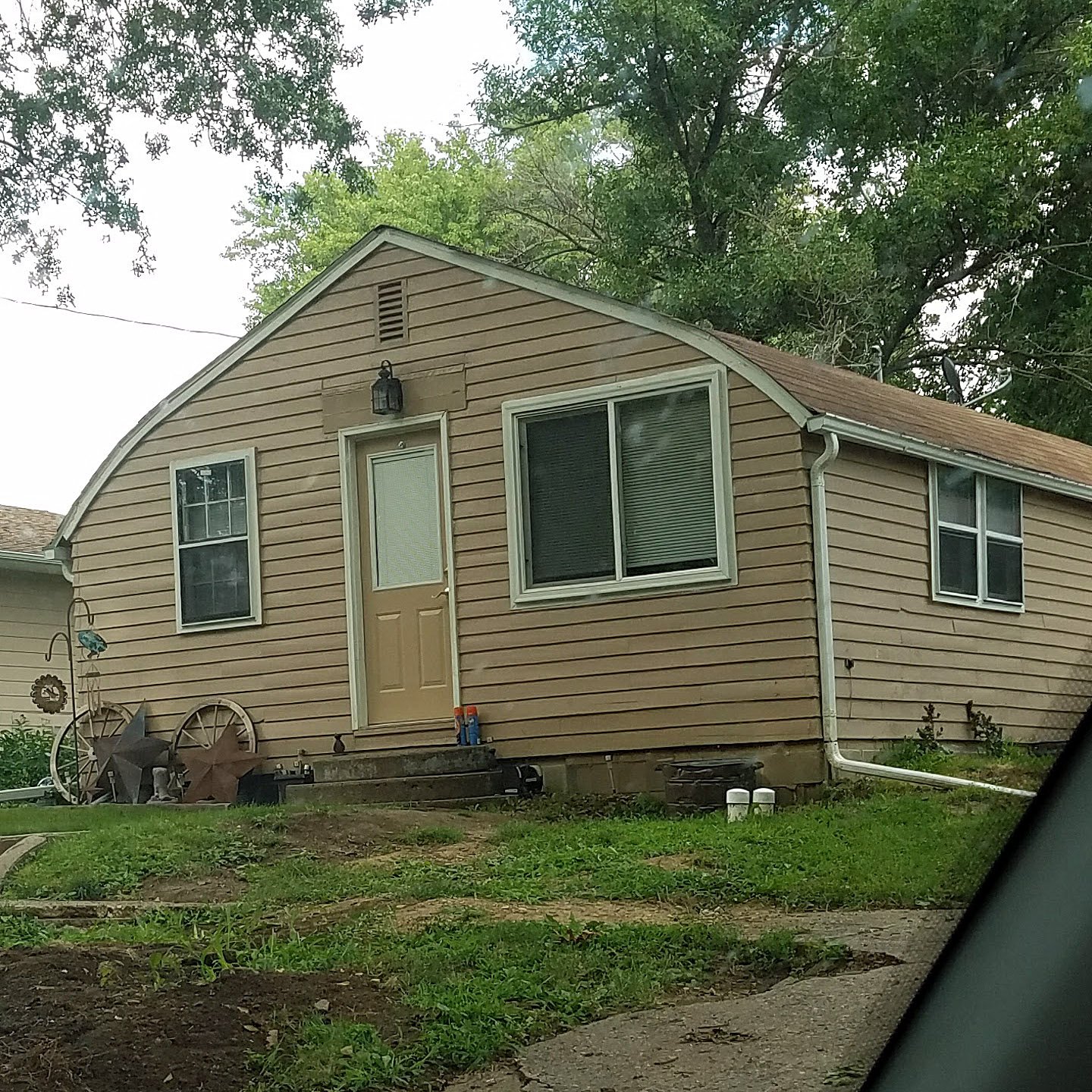
Fan Club President

I'm Nicky, and I'm out to find, document, and study a particular home design that has an undersized fan club. Consider this your invitation to join.
By day I'm a communications professional with about 15 years in the field, including nearly a decade at the Museum of Danish America, followed by stretches with three universities: Harvard, Johns Hopkins, and Iowa State.
Getting these homes the recognition they deserve is what pushed me to pursue a master's degree. The work pulls from my interests in local and agricultural history, design, rural sociology, historic preservation, vernacular architecture, and good old-fashioned ingenuity.
If any of those topic areas increased your heart rate, keep reading and checking back, kindred spirit.
Where to begin
Three generations of Thomas Godwins from Exira, Iowa, have tended a dream started by the entrepreneurial patriarch, Thomas Harry Godwin, a WWI veteran, parachute harness inventor, and, as reported by the Jefferson City Daily Capital News on June 8, 1919, "a fine specimen of American manhood."
He built the indispensable hardware of the day: wagons, hog houses, and chicken coops under the name G.F. Manufacturing Co.
Iowa farmers had been under pressure since the early 1920s. When the broader economy collapsed in the 1930s, Godwin began moving into people-housing. They produced a variety of prefab and custom home designs into the 1960s.
The company eventually became Kozy Manufacturing Company over the decades, but this product, the place, and the family behind it stayed the same.
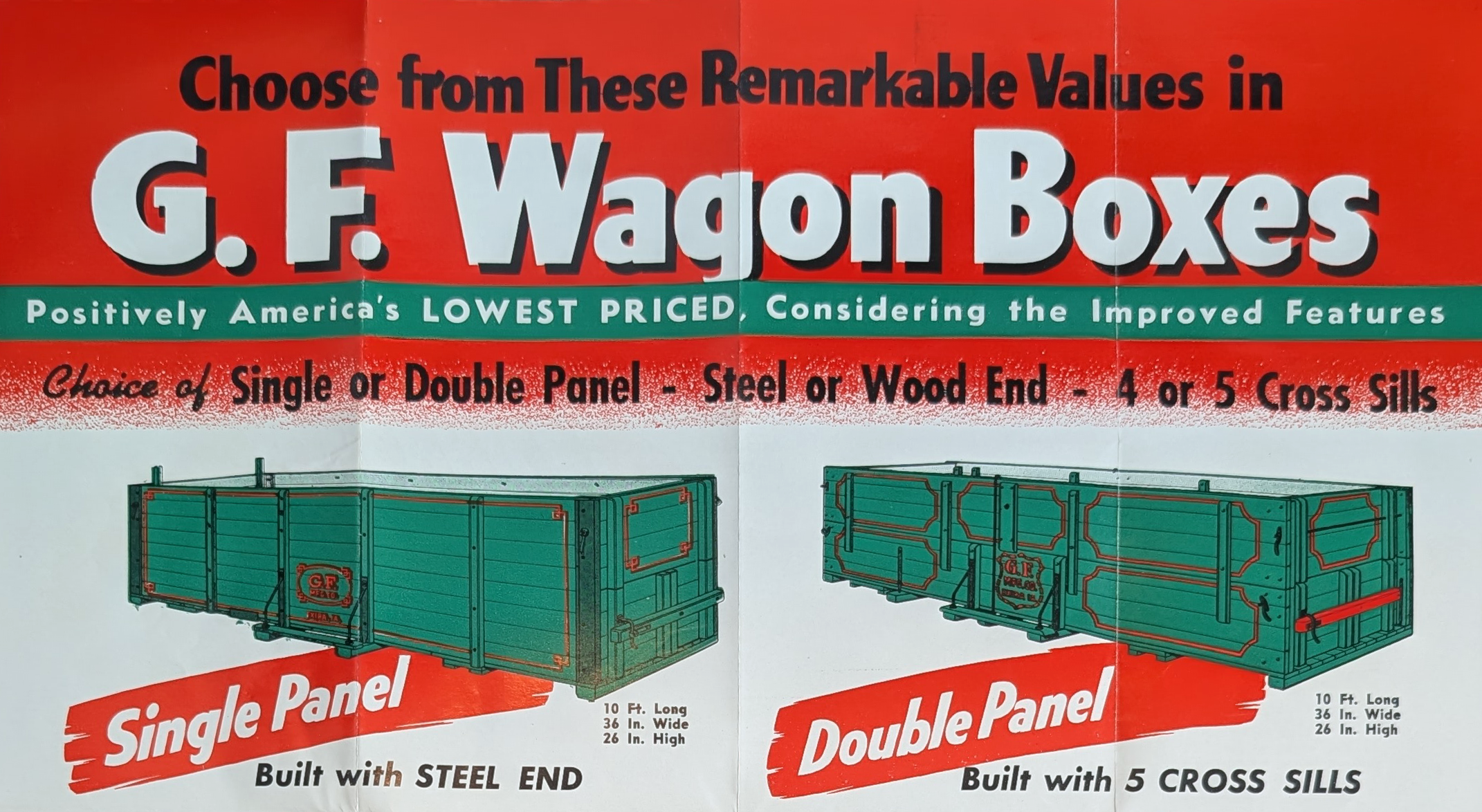
Yes, for real.
These houses began as chicken coops.
There is a kernel of truth in that derogatory, “chicken coop house” moniker.
BUT . . .How did people end up living in repurposed chicken coops?
Who bought them, where, and why?
Why do they look like that?
What was it like living in them?
And what did the neighbors think?
Let's find out.
Let's find out.
I'm building a database and map of every Kozy in this signature "chicken coop" style. The great treasure hunt to find the rest is on. If you know of one, tell me about it. Architectural details, oral history, whatever you know.
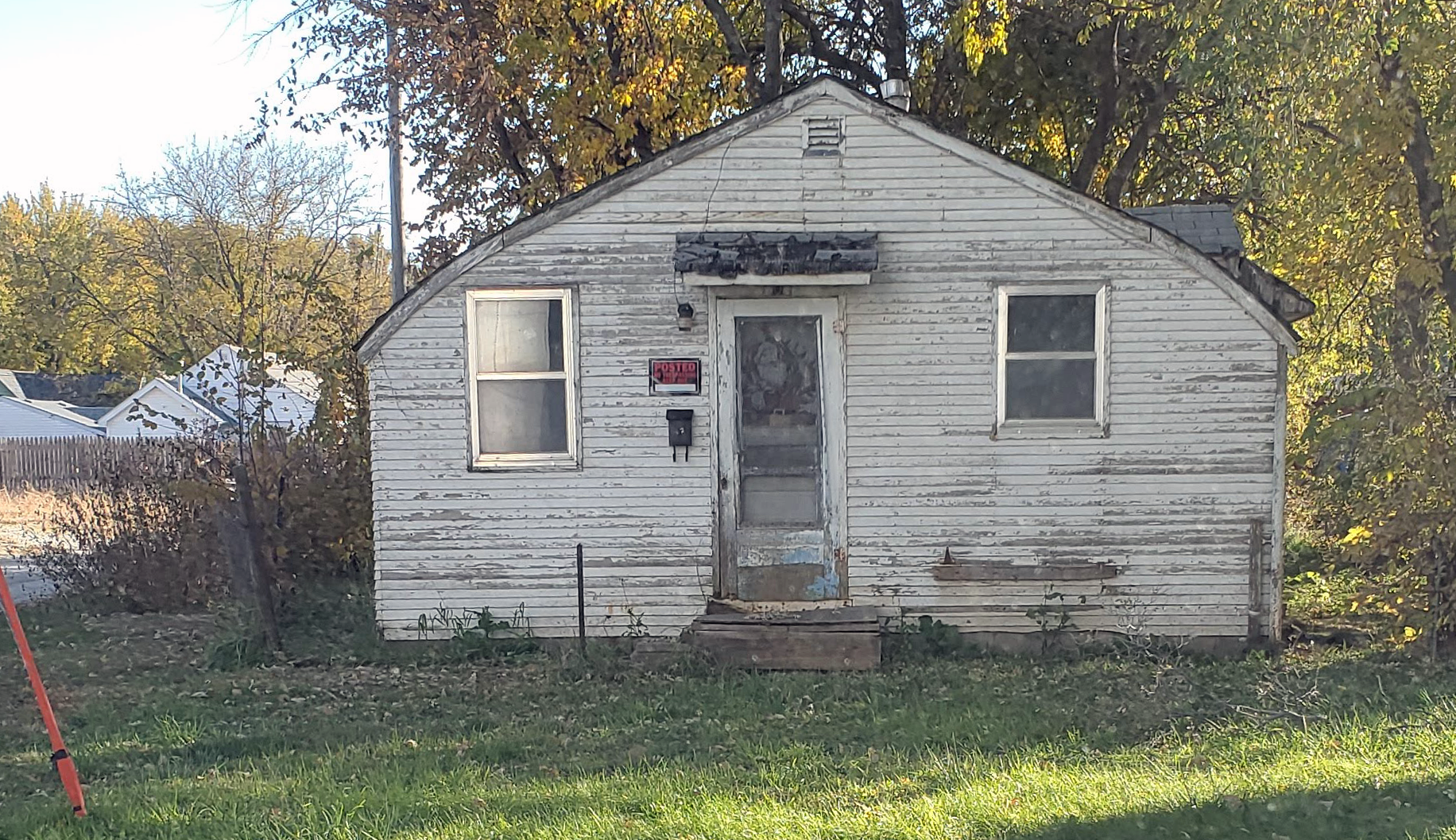
They may be a smidge undervalued.
The memories of those who experienced them in full glory are fading.
The people who built them are mostly gone.
The houses themselves are barely clinging to life.
The best time to do this was decades ago. The second-best time is now.